

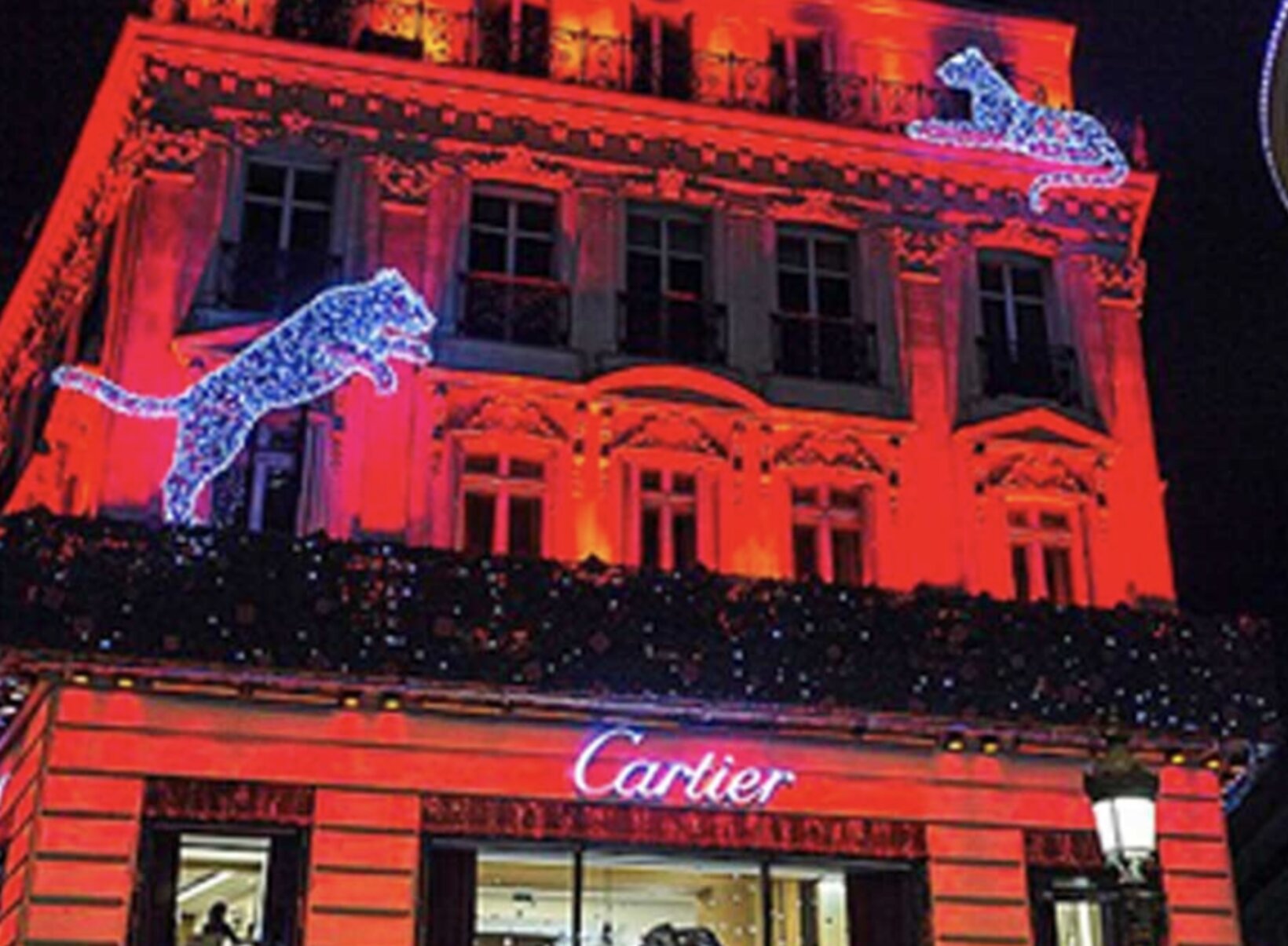
Cartier: Jewellers to Royalty and Stars
Lecturer: Andrew Prince
It was only when king Edward VII proclaimed Cartier “the king of jewellers and the jewellers of kings” that the three brothers’ fortunes were assured. Previously, celebrated courtesans had been their clients, which was not an assured path to fame. With tiaras for the Coronation in 1902 and again for the Delhi Durbar in 1911, Cartier became synonymous with royalty from their late Majesties the Queen Mother and Queen Elizabeth II to Diana with her Tank watch always on her wrist. The interwar years saw the creation of some of the most spectacular pieces in Paris, New York and London, each operating separately but passing gems between them for whichever market seemed best. The post war years with stars such as Elizabeth Taylor and Grace Kelly, who became princess Grace of Monaco, confirmed Cartier as the jeweller to Royalty and the Stars.
Previously Assistant Director of the British School at Rome from 1998 to 2002 and since 2004, Professor at the University of L’Aquila. Part of Andrew Hopkin’s PhD (Courtauld Institute 1995) on Venetian architecture was awarded the Essay Medal of 1996 by the Society of Architectural Historians (GB). A Fellow at Harvard University’s Villa I Tatti in Florence in 2003-2004, and in 2009 the Paul Mellon Senior Visiting Fellow, Center for Advanced Studies in the Visual Arts, National Gallery of Art, Washington D.C. Amongst his many publications are, with Arnold Witte, Alois Riegl, The Origins of Baroque Art in Rome (2010), and Baldassare Longhena and the Venetian Baroque (2012).
This lecture is kindly sponsored by Titan Wealth.
Discover More
-
 Life drawing group running every Wednesday, 7-9pm!
 -
 11th OctLearn to Dance in a Fun, Friendly, Social Environment - with Heidi, a highly experienced Teacher.
 -
 5th OctDiscover the joy of lino cutting in this relaxed, hands-on three-week course.
 -
 8th OctCome spend a relaxing hour or so learning this amazing art and creat something beautiful.